“What can I do
on this turn?”
A reminder of the available actions is a normal part of learning. It does not need an apology.
FIRST ROUND CLUB / AN AUSTRALIAN GUIDE
New to the table? You do not need a perfect memory or a clever opening move. Just a little space to learn.
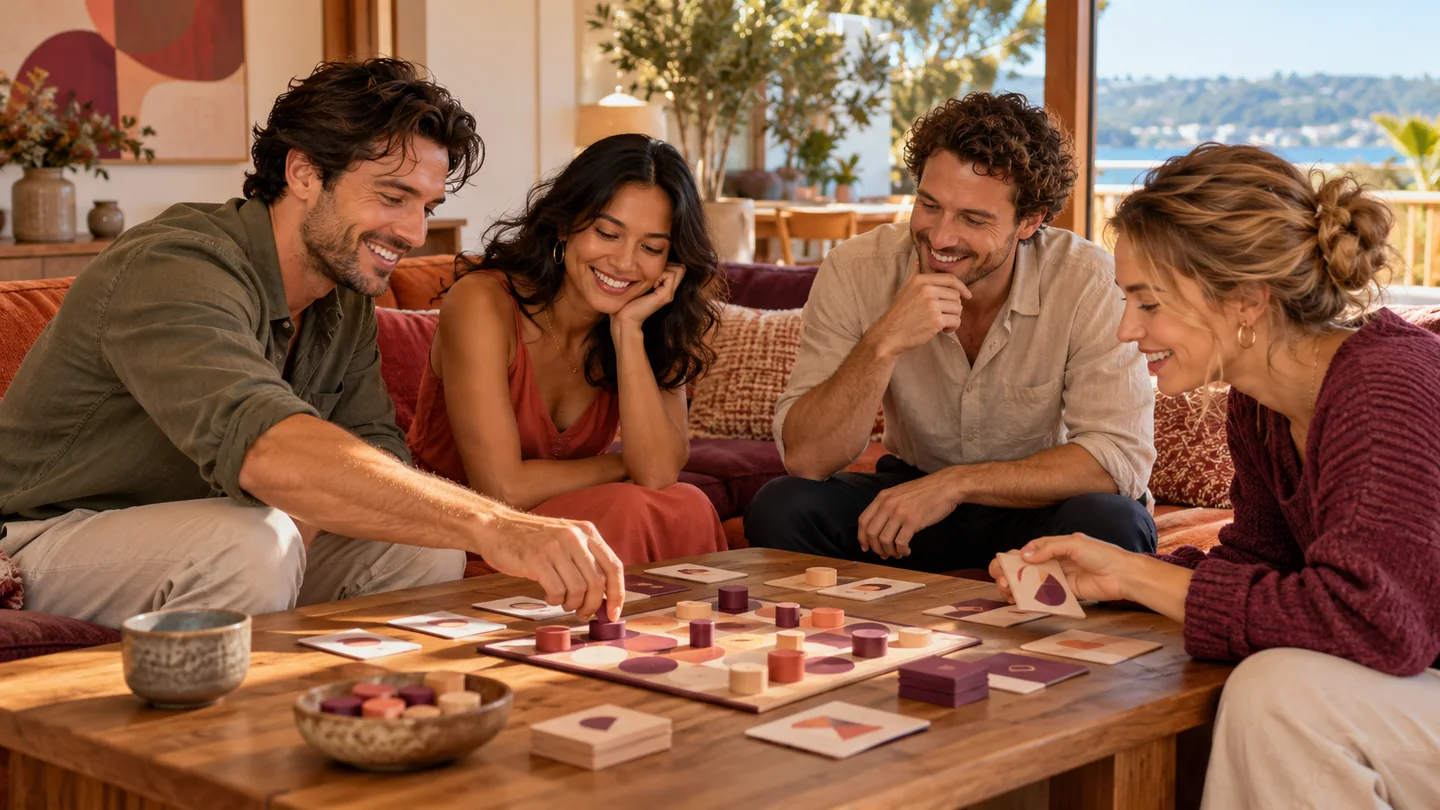
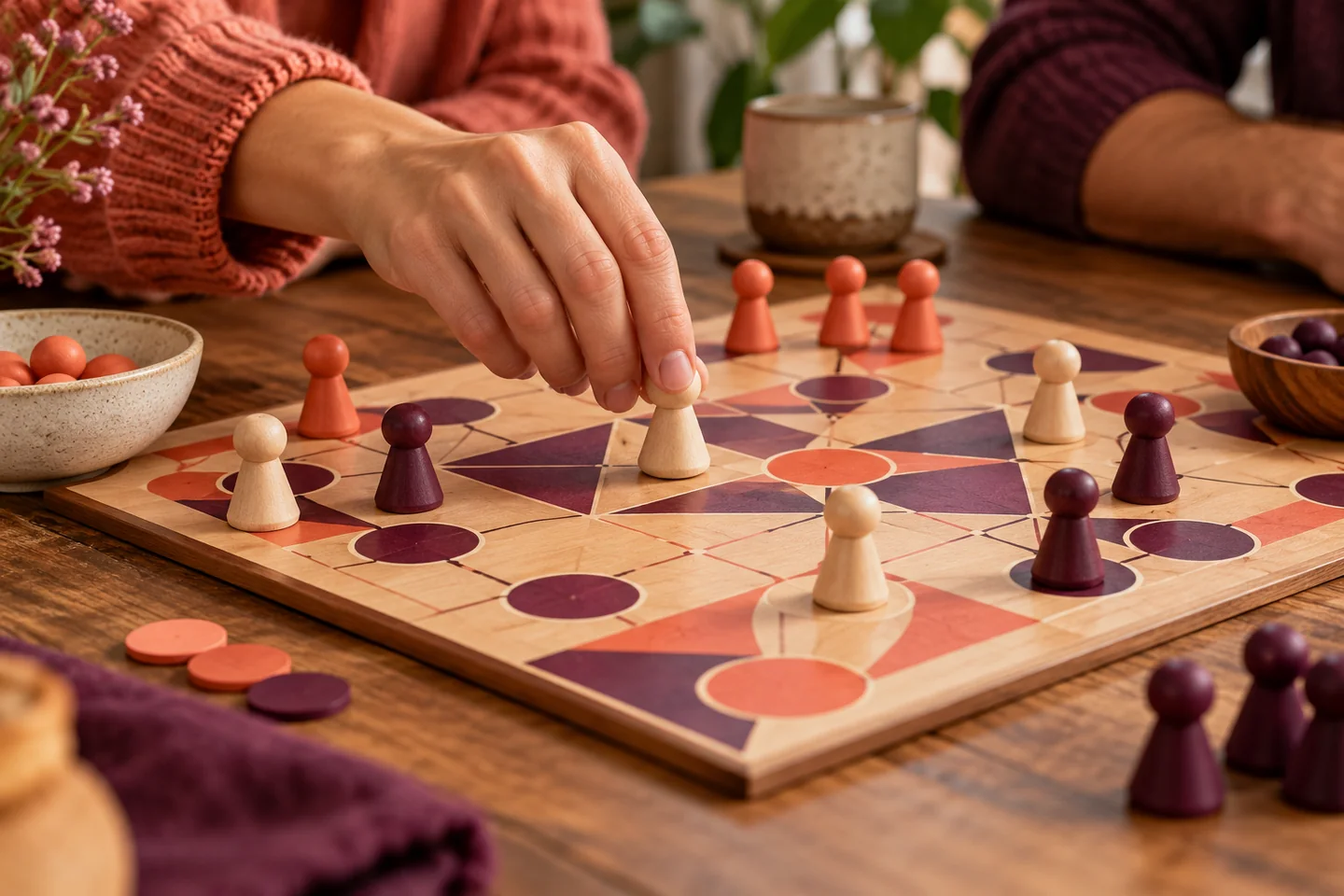
Build a small teaching plan around how you like to learn.
Find my starting point ↗A NOTE BEFORE WE BEGIN
It tells the person teaching where to start. A first game can be a conversation: what would help you follow the turn, which parts you want to try, and when you would like a pause.
There is no single correct learning style. Use these tools to describe a preference, then adjust together at the table.
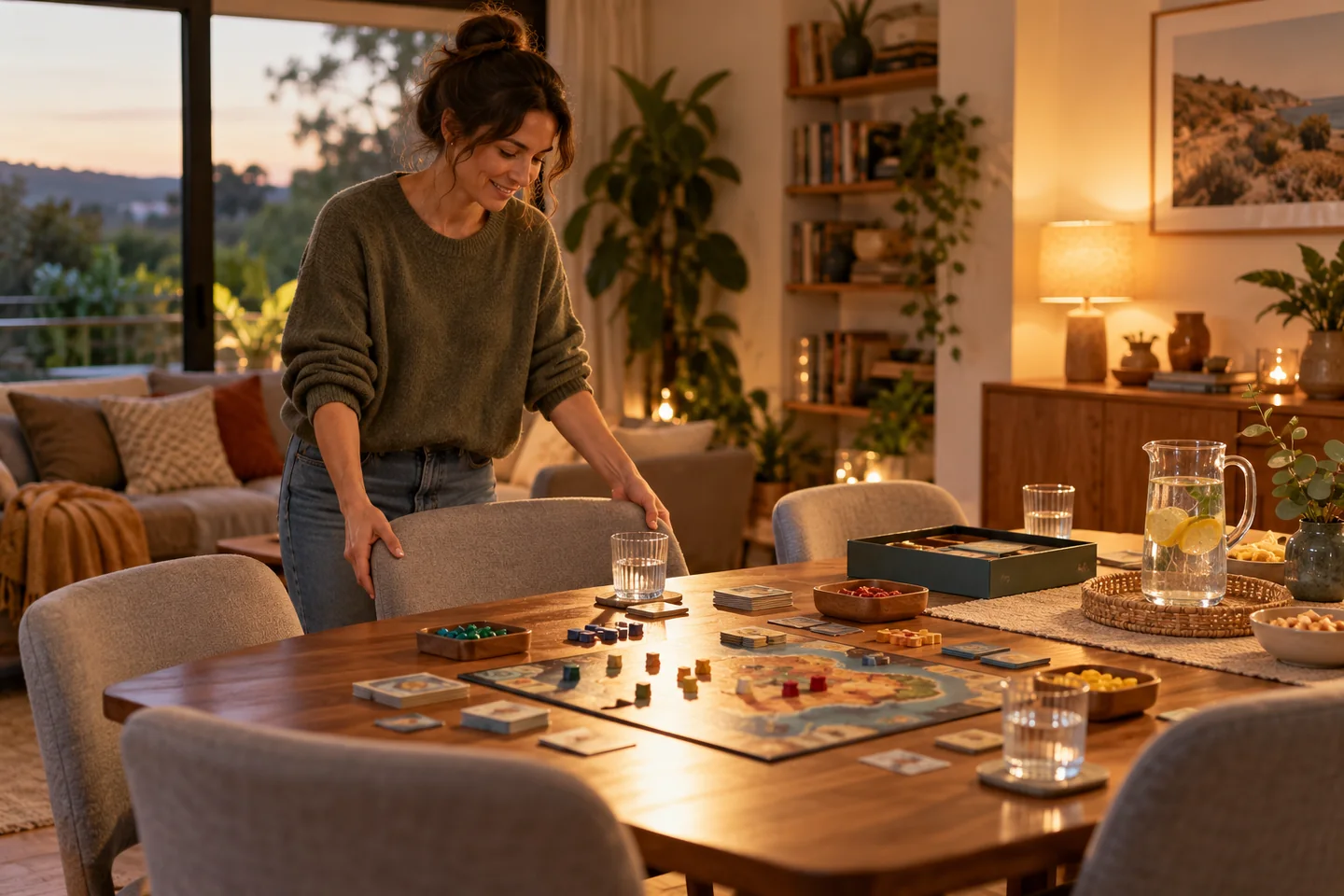
MAKE ROOM FOR THE PERSON
Ask where someone would be comfortable sitting. Move shared cards within view and explain which pieces belong to each player.
Set up a welcoming table ↗A reminder of the available actions is a normal part of learning. It does not need an apology.
A complete turn can connect several rules that sounded separate when they were explained.
A short pause gives everyone time to check a rule, reset or decide what would help next.
SEE IT ON THE TABLE
Watch where a piece starts, where it goes and what changes afterwards. Then try a similar move yourself, with the rules close by.
Ask the teacher to explain the reason for an action separately from the action itself. You can understand a legal turn before learning a strategy.
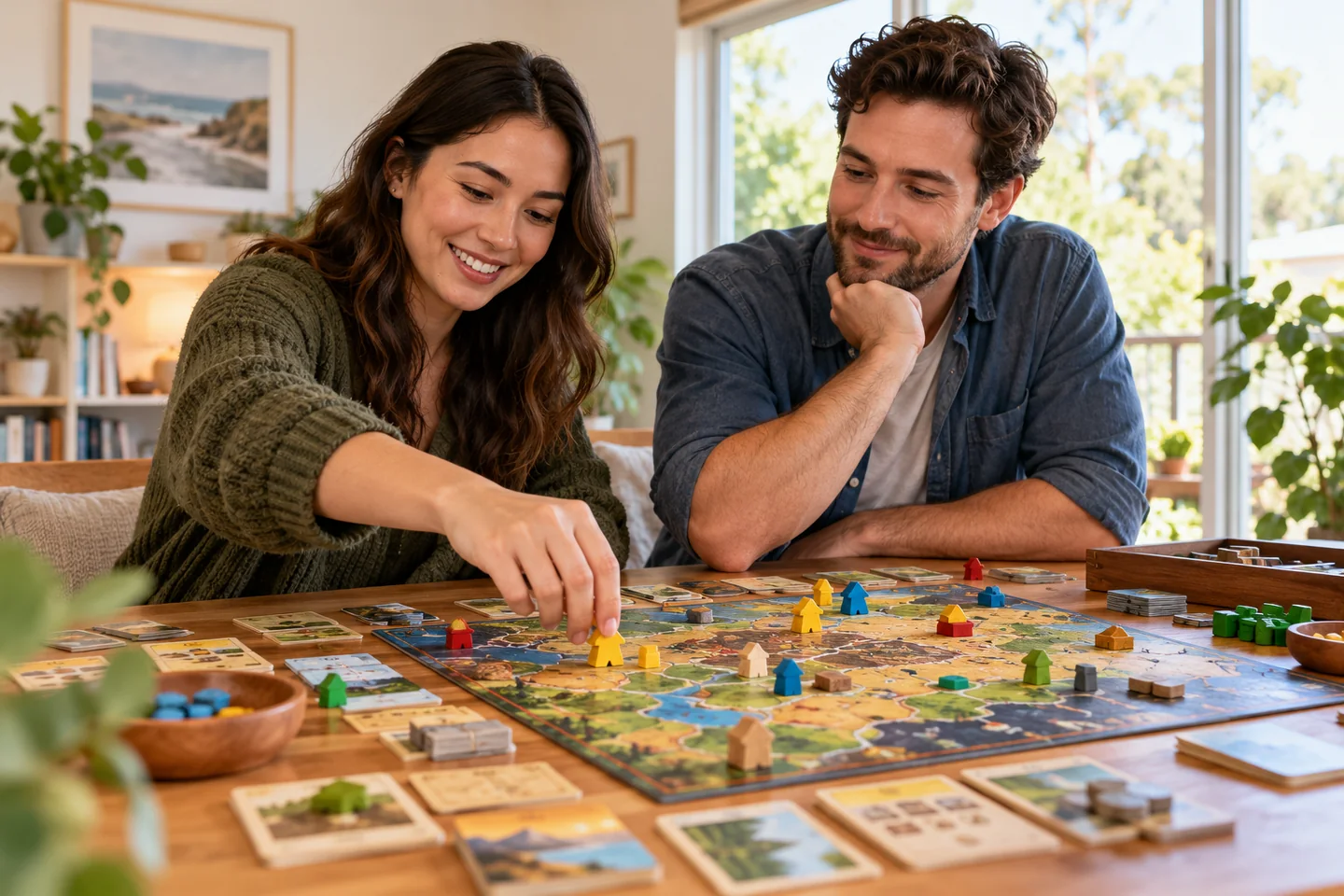
THE FIRST-ROUND COACH
Tell the coach how familiar games feel, how you would like competition handled and how you want the explanation to begin.
Build my first-round planAgree whether the opening round counts. If it is a rehearsal, decide when you will reset the board so everyone starts the scored game with the same understanding.
A practice round is an invitation to experiment, not a hidden test.
QUESTIONS KEEP A TABLE MOVING
People need different amounts of time to find a question. Ask what would be useful to see again, and leave room for an answer.
A teacher can check understanding without asking someone to perform the whole rulebook from memory.
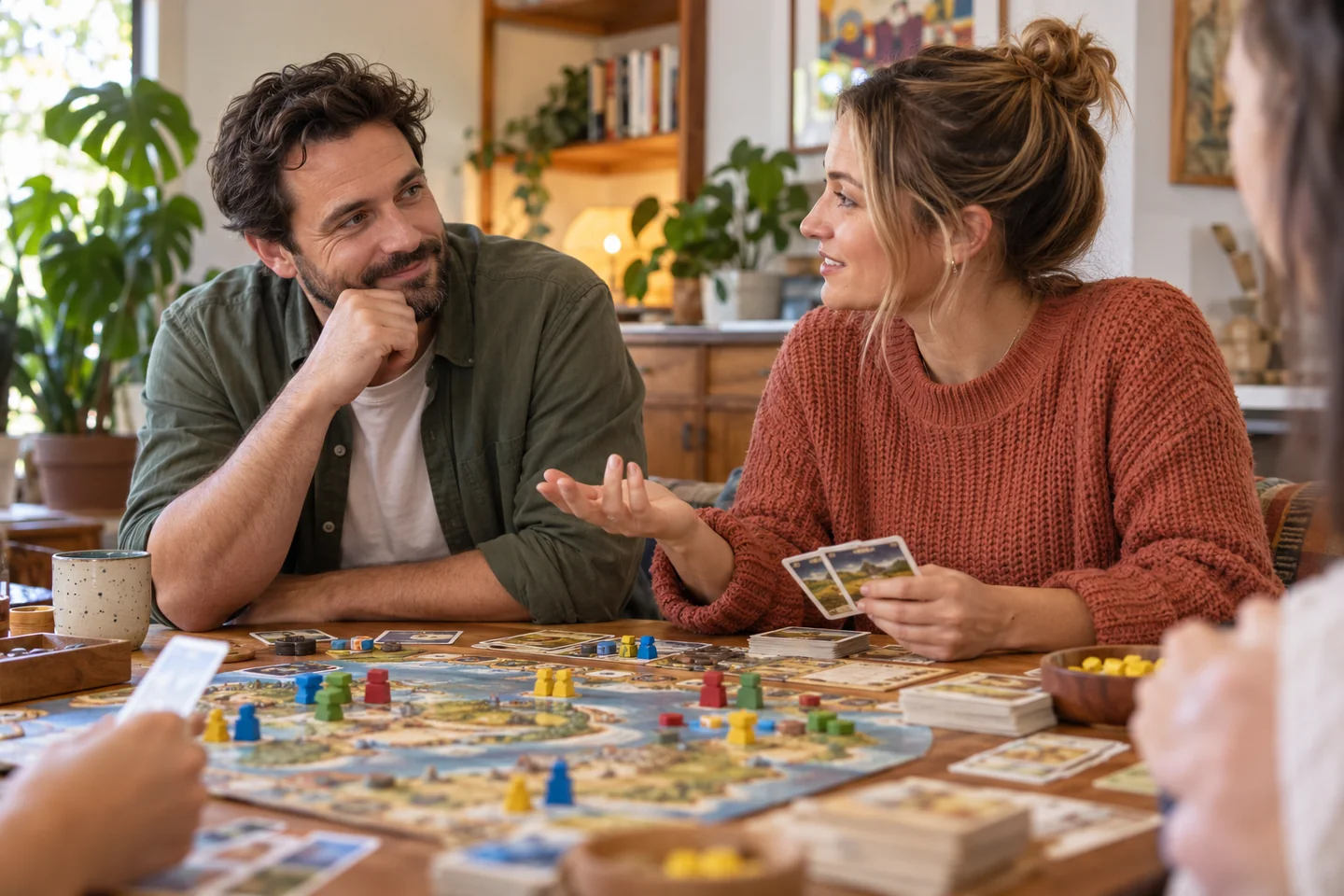
THE LITTLE GLOSSARY
Try six simple terminology cards. Reveal the explanation, move at your own pace and return to a word whenever you need it.
Open the terminology cards ↗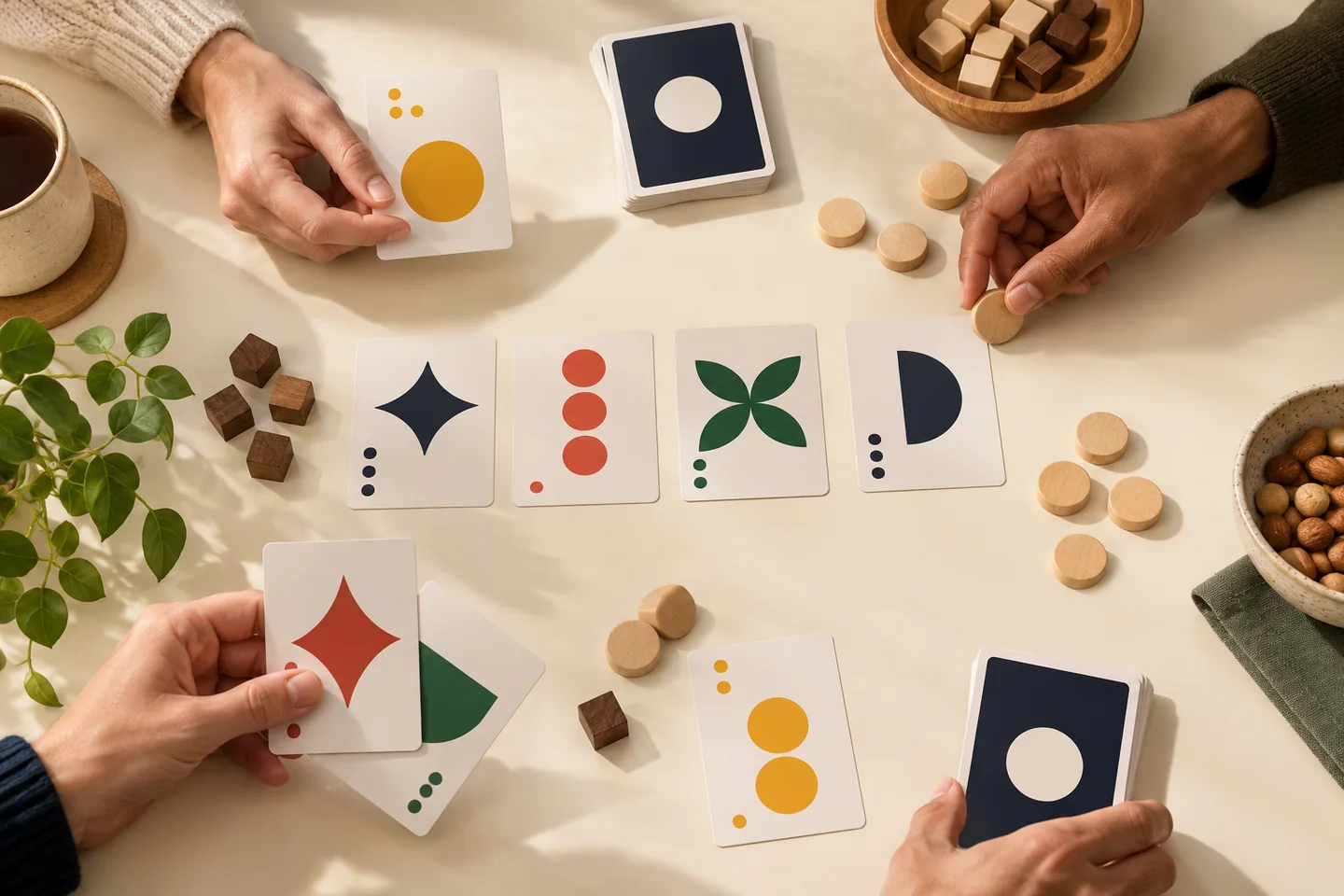
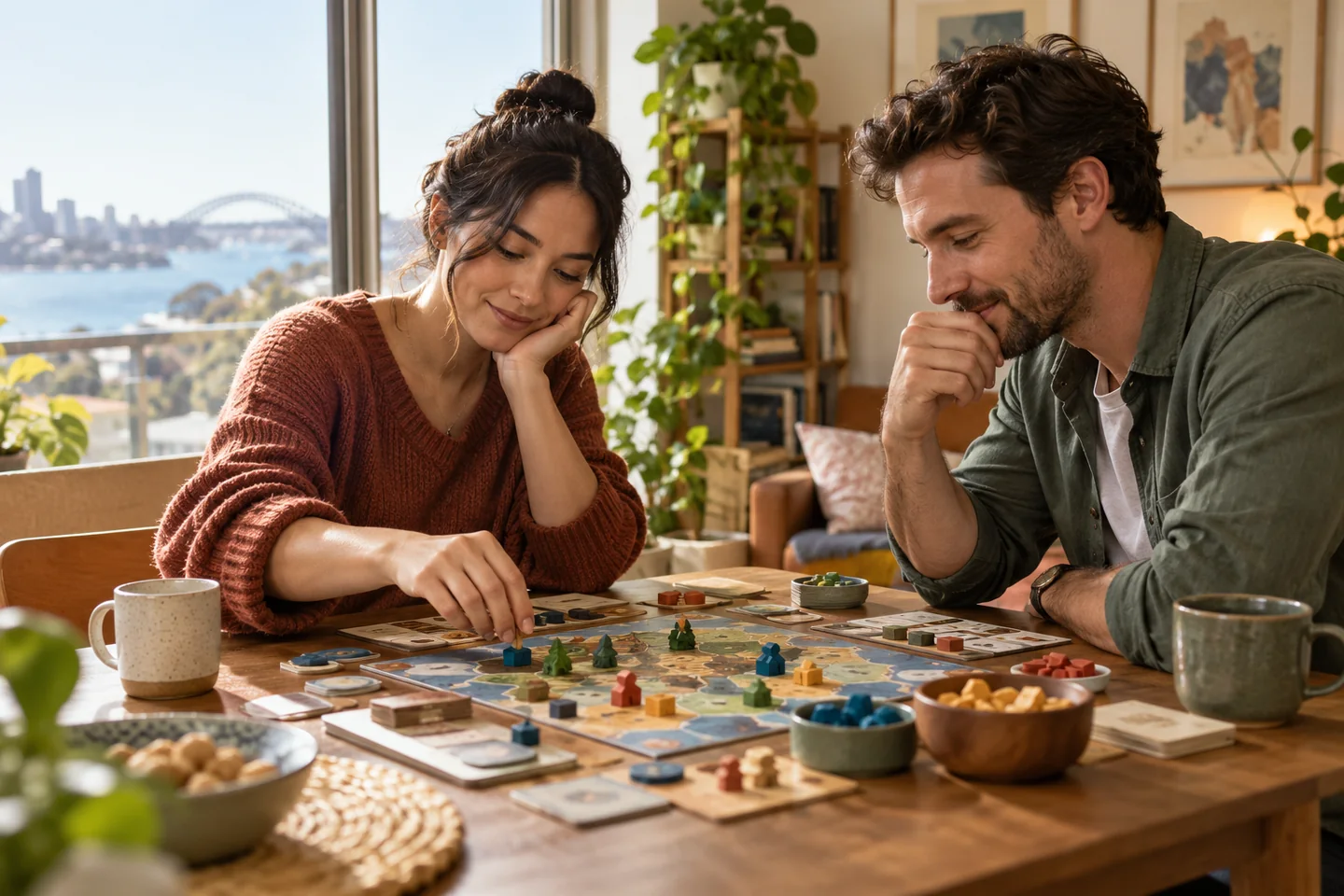
Fewer people may make it easier to see a full turn and ask a question. The actual game must support the chosen player count; check its published rules.
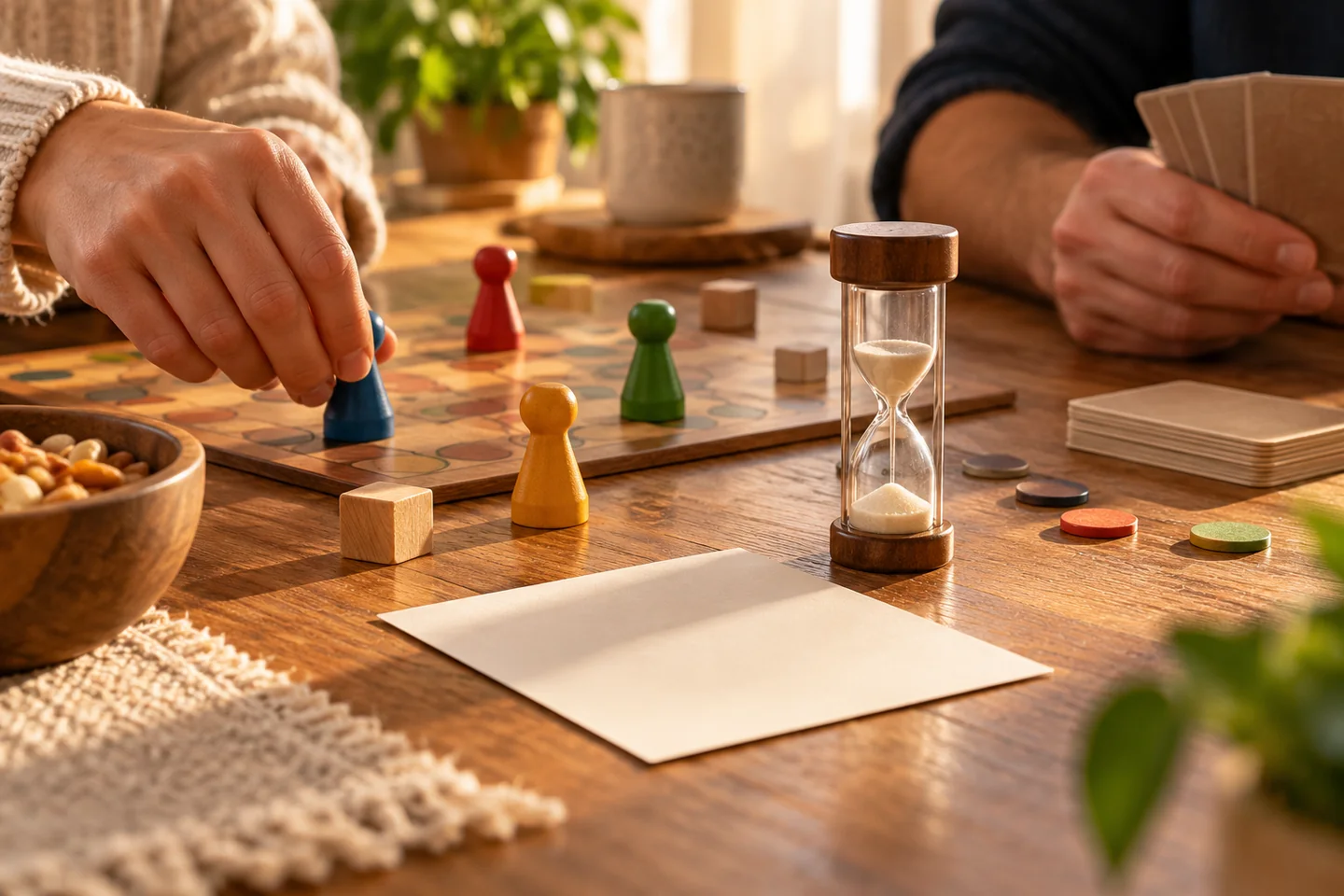
YOUR PRACTICE SPACE
Use an optional shared timer for an explanation or a short practice interval. It does not judge a player or end a turn automatically.
Pause it whenever you need to. Agree its purpose with the group before starting.
Open the practice timerA USEFUL TABLE AGREEMENT
“Would you like a rules reminder or a suggestion?” gives the learner a choice. Sometimes the most helpful thing is time to decide.
THE END CAN HELP THE NEXT BEGINNING
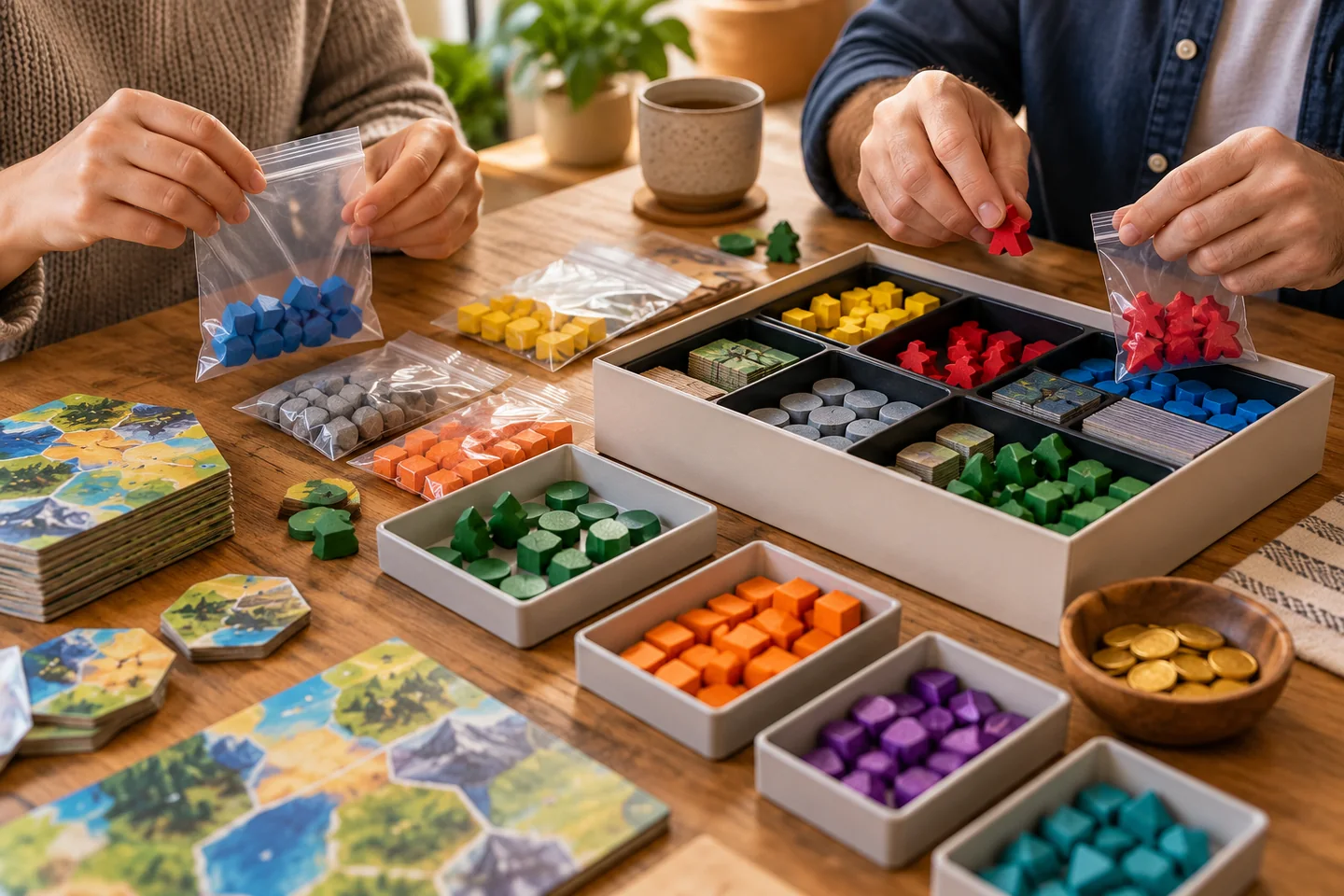
Put components away by role or colour as the game’s instructions suggest. A small setup note can make the next visit feel more familiar.
You can save your coach plan in this browser, then clear it when it no longer fits.
THINGS NEW PLAYERS OFTEN WONDER
No. Begin with the goal, a normal turn and how the game ends. Strategic ideas can follow once the basic actions make sense.
Ask for a reminder or check the official rulebook. Agree how the table will handle early mistakes before the scored game begins.
It is the editorial name for these guides and tools. There is no membership, venue, event calendar or organised play service offered here.
AFTER A FIRST TRY
Perhaps you recognised the turn order, asked a question sooner or found the right piece without help. Those are useful changes even when the score went another way.
Choose one thing to repeat next time, and one thing you would like explained differently.
ABOUT KIRELAVO
This independent Australian information project offers practical learning prompts. It does not assess ability, promise a perfect game choice or replace the rules of a specific title.
Meet the idea behind the guides ↗Your question can point to the next explanation worth improving.