Give shared information a good home
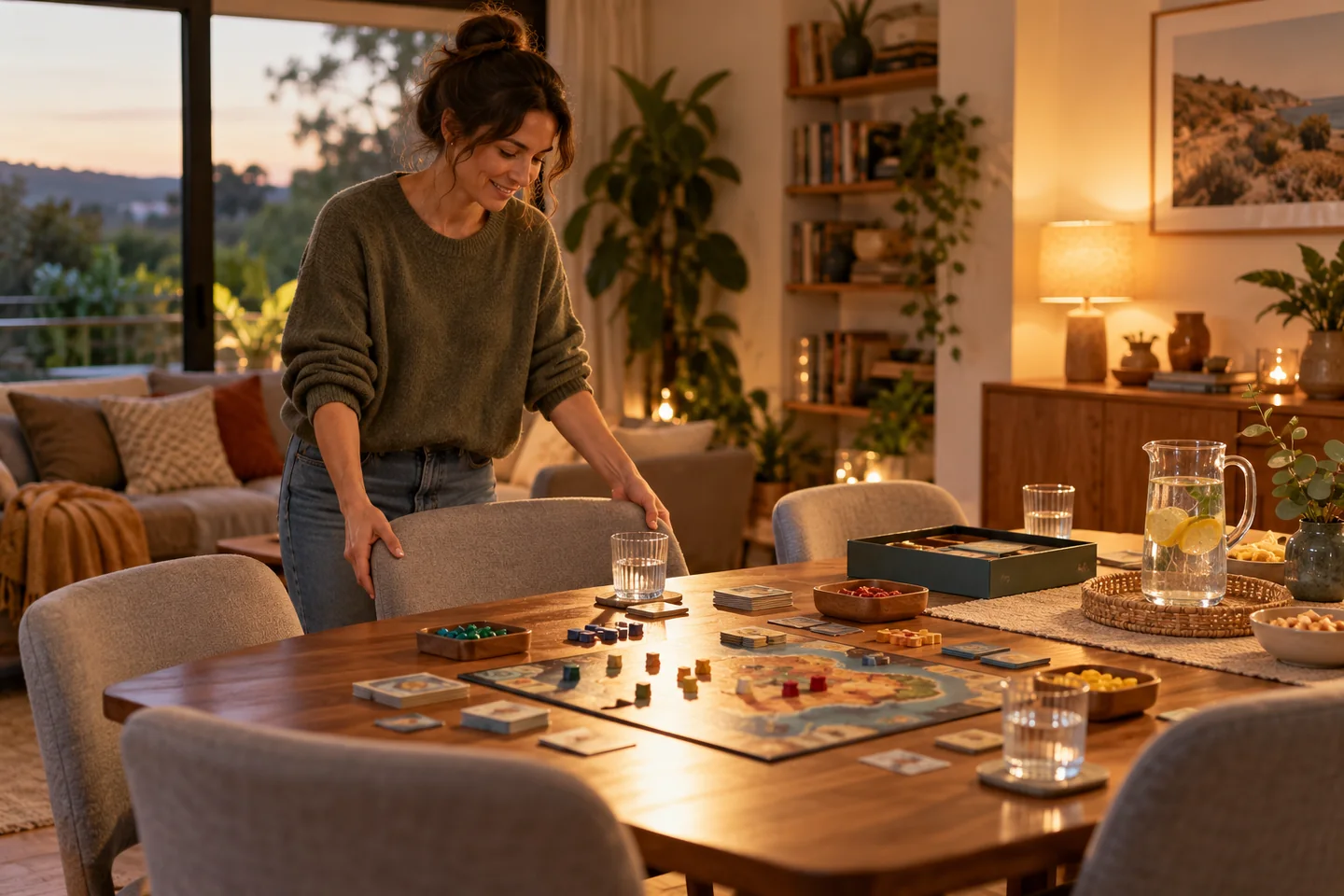
Put the board and public reference cards where each person can see them. If something is difficult to read, offer to read it aloud or change its position.
Keep player pieces within comfortable reach. Ask before moving another person’s cards or rearranging their area, even when the intention is helpful.
Describe more than the colour
A symbol, shape or position can help identify a component when colour alone is unclear. Use the game’s own labels where possible and keep descriptions consistent.
Check whether glare, small print or a busy layout is making the task harder. A change in lighting or seating may be more helpful than repeating the same explanation.
Agree how help will be offered
Some people want a strategic suggestion; others want the available actions restated so they can choose for themselves. Ask which kind of help is welcome.
Make it normal to pause. A question asked early can prevent several turns of confusion, and a quiet player may simply need a little longer to formulate it.
Leave an easy way to change course
Agree a finishing point and check whether people want another round. Watching a practice turn, taking a break or switching to a shorter option can all be reasonable choices.
This guide cannot certify a game or venue as accessible. Individual needs and a particular title’s demands deserve a direct conversation.